Sweat Smarter, Recover Faster: Why US Runners and CrossFit Athletes Are Flying to Japan for Rock Bath Therapy

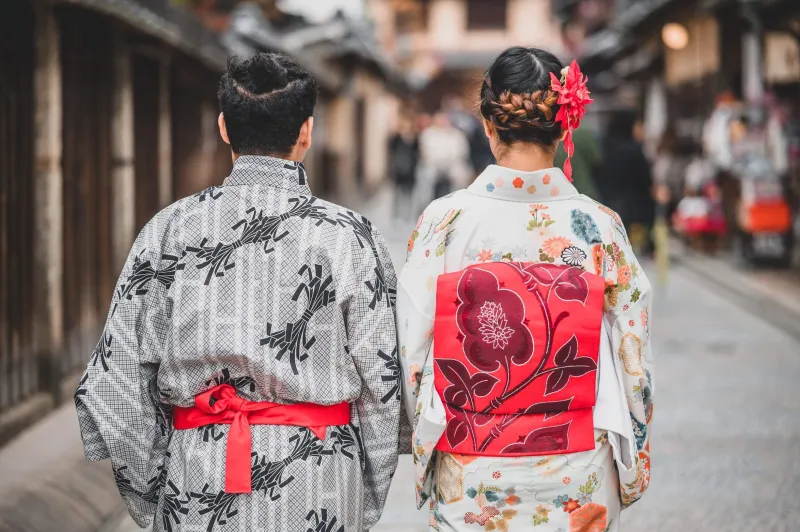
Photo by Photo by Il Vagabiondo on Unsplash on Unsplash
For years, the gold standard of athletic recovery in the United States looked something like this: an ice bath cold enough to make you question your life choices, a foam roller you never quite use correctly, and maybe a $200 sports massage if your budget allows. It works — kind of. But a growing number of American athletes are coming back from trips to Japan with a very different approach to post-training recovery, and they're pretty passionate about sharing it.
Ganbanyoku — Japan's traditional heated rock bath practice — has been a wellness staple in Japanese culture for decades. But lately, it's finding a new audience: competitive athletes who are less interested in the spiritual side of the experience and very interested in what it does to their muscles, joints, and nervous systems after a brutal training block.
What Exactly Is Ganbanyoku, and Why Do Athletes Care?
If you haven't encountered ganbanyoku before, here's the quick version: you lie down on a flat slab of naturally heated stone — often tourmaline, germanite, or far-infrared-emitting minerals — and let the heat work its way into your body from below. Unlike a traditional sauna, where hot air blasts you from above, ganbanyoku delivers a slower, deeper kind of warmth. The room temperature typically hovers between 104°F and 122°F, and sessions usually run 15 to 30 minutes with short breaks in between.
For athletes, that distinction matters a lot. The deep, penetrating heat from below mimics the therapeutic effect of a professional heat therapy session — the kind that physical therapists use to loosen tight fascia, increase blood flow to damaged muscle tissue, and accelerate the removal of metabolic waste like lactic acid. Except here, you're doing it lying on a warm stone slab in a serene Japanese spa facility, which honestly sounds a lot better than a PT's table.
What American Athletes Are Saying
Coach Derek Huang, who trains long-distance runners in the Portland, Oregon area, first stumbled onto ganbanyoku during a trip to Hakone two years ago. He'd heard vague mentions of it from a Japanese running club contact, booked a session mostly out of curiosity, and walked out two hours later feeling, in his words, "like someone had hit a reset button on my entire body."
"I'd been carrying this low-grade tightness in my hips for months," he told us. "Not injury-level, just that constant background noise that runners live with. After one ganbanyoku session, it was noticeably quieter. I came back and started recommending it to my athletes who were traveling to Japan. Now it's basically mandatory if they're going."
Sarah Kowalski, a CrossFit competitor from Austin, Texas, incorporated ganbanyoku into a ten-day trip to Kyoto and Osaka last spring. She scheduled sessions on her heaviest training days — mornings at the gym, evenings at the facility — and noticed a significant difference in how she felt the following morning.
"I'm used to being pretty wrecked after a heavy day," she said. "But I woke up after those ganbanyoku evenings feeling way more mobile. Less of that deep bone-tired feeling. I don't know exactly what the science says, but my body was telling me something was working."
The Physiology Behind the Feeling
Sports medicine researchers have been examining far-infrared heat therapy — the same mechanism at work in many ganbanyoku stones — for its effects on muscle recovery. The current body of evidence suggests a few key benefits that align closely with what athletes like Sarah and Derek are describing.
First, far-infrared heat increases microcirculation — blood flow at the smallest vessel level — which helps deliver oxygen and nutrients to fatigued muscles while flushing out waste products more efficiently. Second, the sustained gentle heat reduces muscle stiffness and improves range of motion, which is especially relevant for athletes dealing with chronic tightness from repetitive training patterns. Third, and perhaps most interesting for competitive athletes, some research points to a reduction in markers of inflammation following repeated far-infrared sessions.
There's also a parasympathetic nervous system angle worth mentioning. Intense training keeps athletes in a prolonged sympathetic state — the body's "fight or flight" mode. The quiet, horizontal, deeply warming environment of a ganbanyoku session is remarkably effective at pulling the nervous system in the opposite direction, into genuine rest-and-digest mode. For athletes who struggle to truly recover between training sessions, that shift alone can be meaningful.
Where to Go in Japan for Athlete-Focused Recovery
If you're planning a trip around ganbanyoku recovery, a few destinations stand out for fitness-focused travelers.
Beppu, Oita Prefecture is Japan's undisputed hot spring capital, and several facilities here offer ganbanyoku alongside a full menu of thermal therapies. The sheer concentration of options makes it easy to experiment with different stone types and session formats over a few days.
Hakone, Kanagawa Prefecture sits close enough to Tokyo for a long weekend trip, making it ideal for athletes who are combining a training camp in the city with recovery sessions in the mountains. The scenery doesn't hurt either — there's something about recovering while looking at Mt. Fuji that feels appropriately epic.
Kinosaki Onsen, Hyogo Prefecture is a smaller, more traditional option that's increasingly popular with international visitors who want an authentic experience without the tourist-heavy atmosphere of bigger destinations. Several ryokan here have incorporated ganbanyoku facilities alongside their traditional baths.
Kusatsu Onsen, Gunma Prefecture is worth mentioning for athletes specifically because the area has a long history of therapeutic bathing traditions, and the mineral composition of the local waters is frequently cited in wellness contexts.
Practical Tips for Athletes Planning a Ganbanyoku Trip
A few things to keep in mind if you're approaching ganbanyoku as a recovery tool rather than just a relaxation experience:
Hydrate aggressively. You will sweat significantly more than you expect, especially as a first-timer. Bring water into the session room if the facility allows it, and drink before and after. Athletes who are already slightly dehydrated from training need to be especially mindful of this.
Time your sessions strategically. Most athletes find ganbanyoku most effective in the evening, a few hours after their primary training session. This gives the body time to begin its natural recovery process before the heat therapy amplifies it.
Start with shorter sessions. Even if you're in great shape, your first ganbanyoku session should be conservative — two or three rounds of 15 minutes with breaks in between. The heat is different from what you're used to, and there's no prize for pushing through discomfort here.
Pair it with good sleep. The parasympathetic activation from a well-timed ganbanyoku session sets you up beautifully for deep sleep. Don't waste that by scrolling your phone for two hours afterward. Let the recovery do its thing.
The Bigger Picture
What's interesting about the athlete-ganbanyoku crossover isn't just the physiological mechanics — it's what it says about how American fitness culture is evolving. There's a growing recognition that recovery is training, that the body adapts during rest rather than during effort, and that the aggressive, pain-focused recovery tools we've relied on (ice baths, we're looking at you) might not be the whole story.
Japan figured this out a long time ago. The philosophy embedded in ganbanyoku — warmth, stillness, patience, letting the body do what it already knows how to do — is almost the philosophical opposite of the "no pain, no gain" mentality. And for a lot of American athletes, that contrast is turning out to be exactly what they needed.
Whether you're training for your first marathon, competing at a regional CrossFit level, or just someone who takes their weekend runs seriously, a ganbanyoku trip to Japan might be the most productive vacation you ever take.