Your Gym Membership Is Costing You More Than a Week in Japan's Rock Bath Country
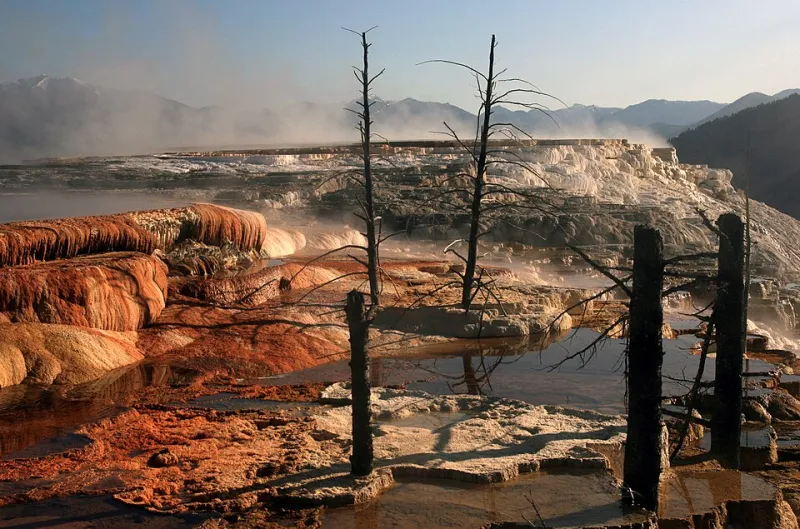
Photo: Brocken Inaglory, CC BY-SA 3.0, via Wikimedia Commons
Let's be honest about something most wellness content won't say out loud: the American fitness industry has gotten very good at charging you for things you don't fully use. The average US gym membership runs somewhere between $50 and $100 per month. Throw in a monthly massage, a few infrared sauna sessions, and whatever supplements are trending on your social feed, and you're easily looking at $150 to $300 walking out the door every single month — roughly $1,800 to $3,600 per year.
Now here's the part that might genuinely surprise you: a well-planned, week-long ganbanyoku retreat in Japan can cost somewhere in that same ballpark. Sometimes less.
That's not a travel hack. That's just math.
What Ganbanyoku Actually Costs on the Ground in Japan
For the uninitiated, ganbanyoku (岩盤浴) is Japan's answer to the sauna — except instead of sitting in a wood-paneled box, you lie directly on heated mineral stone slabs, typically tourmaline, germanite, or black silica. The heat radiates upward through your body at a gentler, more penetrating temperature than a traditional sauna, and sessions usually run 40 to 60 minutes.
Here's what the real costs look like once you're actually in Japan:
Single ganbanyoku session: ¥500–¥1,500 (roughly $3–$10 USD). Many facilities are attached to larger onsen complexes where entry covers both the hot spring baths and the rock bath floor. Some day-use facilities charge ¥1,000 to ¥2,000 all-in for a multi-hour visit.
Accommodation near major ganbanyoku destinations: Budget-friendly guesthouses and business hotels in towns like Beppu, Kinosaki Onsen, or Gero Onsen run ¥4,000–¥8,000 per night (around $27–$55). Mid-range ryokan — traditional Japanese inns — typically fall between ¥10,000 and ¥20,000 per night, and many include meals.
Food: Japan is one of the most affordable countries in the developed world for eating well. A solid ramen lunch costs ¥700–¥1,000. Convenience store meals (and yes, they're genuinely good) run even cheaper. Budget ¥2,500–¥4,000 per day for food and you'll eat exceptionally well.
Transportation within Japan: A 7-day JR Pass runs around $300 for the standard option, covering bullet trains between major cities. Within onsen towns, most attractions are walkable or accessible by local bus for a few hundred yen.
A Real Budget Breakdown for a 7-Day Ganbanyoku Trip
Let's run three actual scenarios based on different spending comfort levels.
Budget Traveler ($1,400–$1,700 total, excluding flights)
- Accommodation: Guesthouse or capsule hotel, ¥4,500/night × 7 = ~$210
- Ganbanyoku sessions: 2 per day × ¥800 average × 7 days = ~$75
- Food: ¥3,000/day × 7 = ~$140
- Local transportation + JR Pass: ~$350
- Misc (entrance fees, small purchases): ~$100
Total on-the-ground: roughly $875–$1,000 USD
Mid-Range Traveler ($2,200–$2,800 total, excluding flights)
- Accommodation: Mix of business hotels and one or two ryokan nights, averaging ¥10,000/night = ~$470
- Ganbanyoku + onsen complex day passes: ~$120
- Food: ¥5,000/day including a few restaurant dinners = ~$235
- JR Pass + local transport: ~$380
- Misc: ~$200
Total on-the-ground: roughly $1,400–$1,600 USD
Comfort Traveler ($3,500–$5,000 total, excluding flights)
- Accommodation: Quality ryokan with two meals included, ¥20,000–¥30,000/night = ~$940–$1,400
- Ganbanyoku + premium facility access: ~$200
- Food: Largely covered by ryokan, supplement with lunches ~$150
- JR Pass + private transport options: ~$500
- Misc + souvenir budget: ~$300
Total on-the-ground: roughly $2,100–$2,550 USD
Flights from the US West Coast to Japan typically run $700–$1,100 round trip if you book in advance. From the East Coast, add another $150–$300.
The Comparison That Changes the Conversation
Let's put those numbers next to what many Americans are spending annually on fragmented wellness routines:
- Gym membership: $70/month = $840/year
- Monthly infrared sauna sessions (3x/month at boutique studios): $60–$90/month = $720–$1,080/year
- Monthly massage (once a month, mid-range): $80–$120 = $960–$1,440/year
- Supplements, recovery tools, wellness apps: easily $600–$1,200/year
Conservative annual total: $3,120–$4,560
For that same money, a mid-range traveler can cover flights, seven days of ganbanyoku immersion, quality accommodation, and excellent food — and actually come home feeling like something shifted, rather than just maintaining a baseline.
The ROI Question Nobody's Asking
Here's where it gets genuinely interesting. The wellness industry loves to sell you on consistency — the idea that doing something small every day compounds over time. That logic isn't wrong. But it ignores the documented value of what researchers sometimes call "restorative intensity" — periods of deep, concentrated recovery that reset your baseline rather than just nudging it.
Ganbanyoku sessions, particularly when practiced daily over a week in a low-stress environment, have been associated in Japanese clinical literature with improved circulation, reduced cortisol levels, and better sleep quality. When you factor in that you're also off your phone more, walking more, eating fresher food, and genuinely disconnecting, the health ROI of a focused retreat starts to look very different from the diffuse ROI of 12 months of underused gym access.
That's not to say you should cancel your gym membership. But it's worth asking what you're actually getting for the money — and whether a single, well-designed week in Japan might do more for your body and mind than another year of the same routine.
Where to Go If You're Watching Your Budget
Not all ganbanyoku destinations are created equal from a cost perspective. A few regions offer exceptional value:
Beppu, Oita Prefecture — One of Japan's most famous onsen cities, and genuinely affordable. Day-use facilities are plentiful, local food is cheap and excellent, and accommodation runs the full spectrum from budget to luxury.
Gero Onsen, Gifu Prefecture — Smaller and quieter than Beppu, with ryokan that often include ganbanyoku access as part of the room rate. Meal-inclusive packages make budgeting easy.
Kinosaki Onsen, Hyogo Prefecture — A classic ryokan town where a single pass covers multiple bathhouses. It skews slightly more expensive but the value-per-experience ratio is hard to beat.
The Bottom Line
Wellness in America has a pricing problem. It's been bundled, subscription-ified, and boutique-branded to the point where spending $200 a month on self-care feels normal — even when the outcomes are modest. Japan's ganbanyoku culture offers something genuinely different: an ancient, low-tech, high-efficacy approach to recovery that happens to be accessible, community-oriented, and, by American standards, remarkably affordable.
You're not just paying to sweat. You're paying to slow down inside a culture that has been refining the art of heat therapy for centuries. And when you run the actual numbers, that investment starts to look less like a splurge and more like the smartest wellness decision you've made in years.