Hot Stones, Cool Planet: The Eco-Conscious Traveler's Case for Ganbanyoku Over Western Spa Culture
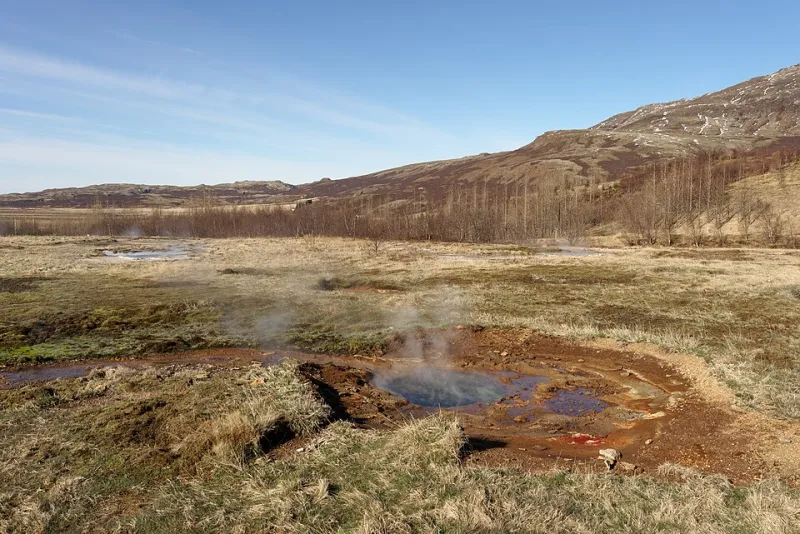
Photo: Jakub Hałun, CC BY-SA 4.0, via Wikimedia Commons
Here's a thought experiment: you're booking a wellness trip. On one side of the ledger, you've got a luxury spa in Scottsdale—hydrotherapy pools, steam rooms, a heated outdoor infinity pool, four separate treatment rooms running HVAC at full blast. On the other side, a ganbanyoku facility in Beppu, Japan, where naturally occurring geothermal energy heats stone slabs that dozens of guests use across a single day.
Both experiences promise relaxation and rejuvenation. But they don't cost the planet the same thing. Not even close.
As climate consciousness moves from fringe concern to mainstream travel consideration, wellness tourists are starting to ask harder questions about the environmental footprint of their self-care rituals. And ganbanyoku—often framed purely through a health or cultural lens—is quietly emerging as one of the more compelling answers.
The Hidden Energy Budget of Western Spa Culture
The modern Western spa is, when you strip away the eucalyptus-scented ambiance, an energy-intensive operation. A single hydrotherapy pool can consume upward of 15,000 to 20,000 gallons of water before it's drained and refilled. Steam rooms require continuous electricity to maintain temperature. Heated treatment tables, ambient lighting, climate-controlled corridors, laundry for endless stacks of plush towels—it adds up fast.
A 2021 analysis of hospitality energy use in the United States estimated that full-service hotel spas rank among the highest per-square-foot energy consumers in the hospitality sector, trailing only commercial kitchens. For a mid-sized spa running roughly 3,000 square feet of treatment space, daily energy consumption can exceed what an average American household uses in a month.
None of this is secret information. But it rarely enters the conversation when wellness brands market their sustainability credentials alongside their detox packages.
"There's a lot of greenwashing in the luxury wellness space," says Dr. Naomi Ferrara, an environmental scientist at a Pacific Northwest research institute who studies the carbon economics of tourism. "Brands will tout organic product lines or bamboo flooring while running industrial HVAC systems 18 hours a day. The energy math doesn't get examined nearly enough."
Where Ganbanyoku Fits Into This Picture
Ganbanyoku operates on a fundamentally different energy model—and geography plays a huge role in why.
Japan sits atop one of the world's most geothermally active regions. In towns like Beppu, Noboribetsu, and Kusatsu, the heat that warms ganbanyoku stones doesn't come from a boiler room—it comes from the earth itself. Facilities built near natural geothermal vents can heat their stone slabs with minimal or zero additional energy input, essentially piggybacking on a heat source that would exist whether or not anyone was lying on it.
Even facilities that don't have direct geothermal access tend to rely on far simpler heating infrastructure than their Western counterparts. A standard ganbanyoku room uses radiant heat technology embedded beneath stone slabs, which is significantly more energy-efficient than forced-air heating systems because it heats objects (and people) directly rather than warming an entire volume of air.
Takeshi Yamamoto, who operates a mid-sized ganbanyoku facility in Hakone, estimates his monthly electricity costs run about 40% lower per guest than comparable onsen facilities with large heated pools. "The stone holds heat well," he explains. "We heat it up, guests use it for hours. We're not fighting against the air the whole time."
Building a Framework: How to Compare Spa Carbon Costs
For eco-conscious travelers who want to think more rigorously about wellness choices, here's a rough framework for comparing the carbon cost of different spa experiences:
1. Heat source matters most. Geothermal and solar-assisted heating represent the lowest-carbon options. Electric resistance heating powered by fossil fuel grids is the worst. Ask facilities directly about their energy sourcing—more are willing to answer this question than you might expect.
2. Water consumption is a major variable. Ganbanyoku uses essentially no water during the session itself (guests sweat rather than soak). Traditional onsen involve continuous water flow. Hydrotherapy pools are among the highest water consumers in wellness tourism.
3. Throughput efficiency matters. A ganbanyoku room that serves 20 guests per day distributes its energy cost across 20 people. A private treatment room serving 4–6 guests per day does not. Per-person impact calculations shift significantly based on occupancy.
4. Transportation dwarfs everything else. Let's be real: flying from New York to Japan has a significant carbon cost regardless of what you do when you arrive. But for travelers already planning a Japan trip, choosing ganbanyoku over an energy-intensive spa option is a meaningful margin decision—and for those comparing domestic versus international wellness travel, the calculation gets more complex.
"No wellness trip is carbon neutral," Dr. Ferrara notes. "But there's a real difference between a trip that compounds its footprint at every decision point and one that makes thoughtful choices along the way. Ganbanyoku is one of those thoughtful choices."
Japan's Broader Sustainability Infrastructure
It's also worth noting that ganbanyoku doesn't exist in isolation—it's embedded in a broader Japanese wellness culture that tends toward resource efficiency in ways that Western spa culture doesn't always replicate.
Many ganbanyoku facilities are housed within onsen towns that have been managing geothermal resources for centuries. The concept of mottainai—a Japanese term roughly translating to "what a waste" and used to express regret over unnecessary consumption—runs deep in how traditional facilities are operated. Towels are small and few. Packaging is minimal. Food served in facility lounges often comes from local suppliers.
Japan also has one of the world's most efficient public transit networks, which means visiting ganbanyoku destinations by bullet train rather than rental car is genuinely practical in a way that getting to a remote Arizona spa simply isn't.
What This Means for Your Next Wellness Trip
We're not here to tell you that flying to Japan is automatically the greener choice—that's a more complicated calculation than any single article can resolve. But if you're already drawn to Japan for its wellness culture, its food, its landscapes, and yes, its ganbanyoku tradition, it's worth knowing that the ancient practice you're considering happens to align pretty well with where responsible travel is heading.
The stones have been warm for a long time. The planet, as we're increasingly aware, could use a little cooling down. There's something fitting about a wellness practice that's figured out how to do both at once.