Chase the Stone: A Region-by-Region Strategy for Collecting Ganbanyoku Experiences Across Japan
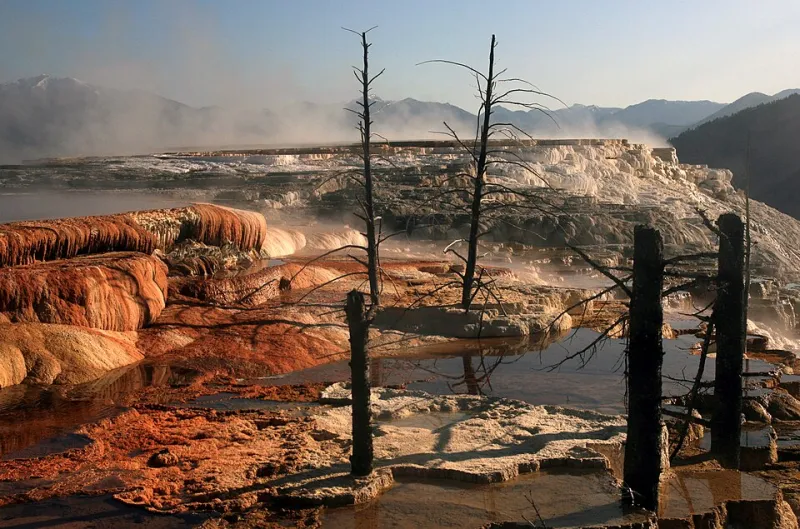
Photo: Brocken Inaglory, CC BY-SA 3.0, via Wikimedia Commons
Imagine a wine collector who only ever drinks Napa Cabernet. Technically fine. Arguably a waste. The same logic applies to the American traveler who hits one ganbanyoku facility in Tokyo, checks the box, and flies home. Japan's rock bath culture runs far deeper than that — geographically, geologically, and experientially. Once you understand that the stone beneath your body in Akita feels nothing like the stone in Kagoshima, the whole country starts to look like a very compelling collection waiting to be built.
This is the approach that seasoned ganbanyoku travelers quietly use. Not a checklist of tourist attractions, but a deliberate pursuit of distinct thermal and mineral experiences — each one shaped by the specific rock formations, volcanic history, and underground water chemistry of its region. Think of it as sommelier-level enthusiasm applied to lying very still on warm stones. Which, honestly, is the best kind of enthusiasm.
Why Region Actually Matters
Here's the part that surprises most first-timers: ganbanyoku isn't a single thing. The term describes the practice of lying on heated natural stone, but the stones themselves vary wildly. Radium-rich hokutolite from Tamagawa. Tourmaline-bearing granite from the Chugoku highlands. Far-infrared-emitting bian stone, sometimes imported but often locally sourced. Zeolite-heavy panels from volcanic Kyushu. Each material has a different heat retention profile, a different mineral emission signature, and — according to longtime practitioners — a noticeably different effect on how your body sweats and recovers.
This isn't marketing copy. It's geology. And Japan, sitting on one of the most geothermally active patches of crust on the planet, has more geological variety packed into its islands than most American travelers expect. The volcanic activity that makes Japan famous for onsen also produces wildly different rock compositions from one prefecture to the next. Following those differences is what turns a wellness vacation into something genuinely irreplaceable.
Building Your First Collection: Where to Start
Akita Prefecture: The Deep North Baseline
If you're going to start anywhere, Akita is a strong opening move. The region's facilities frequently feature hokutolite — a radioactive mineral stone found almost exclusively near the Tamagawa hot spring area. The word 'radioactive' sounds alarming to American ears, but the exposure levels are low, natural, and have been used therapeutically in Japan for generations. The warmth from hokutolite panels tends to feel slow and penetrating, less like surface heat and more like something loosening deep in your joints. Stamp this one early in your collection as your 'reference point' — the experience everything else gets measured against.
Yamagata Prefecture: Mineral Complexity in the Mountains
Yamagata sits next door to Akita and offers a completely different character. The prefecture's interior mountain towns host smaller, often family-run ganbanyoku facilities where the stone selections lean toward locally quarried granite and basalt, sometimes blended with imported ceramic composites. The experience here tends to be drier and more even — less of that deep bone-warmth, more of a full-body radiant heat that encourages long, meditative sessions. Yamagata is also genuinely under the radar for international tourists, which means you'll often have facilities nearly to yourself. That kind of quiet is its own kind of rare.
Tottori and Shimane Prefectures: The San'in Coast Wildcard
Most itineraries skip the San'in coast entirely. That's a mistake. The prefectures of Tottori and Shimane sit along Japan's Sea of Japan shoreline and host a surprisingly robust ganbanyoku scene built around stones quarried from the region's ancient granite formations. The mineral profiles here run high in silica and trace iron — a combination that practitioners associate with skin-softening effects and circulation support. The facilities in this region also tend to blend ganbanyoku with traditional onsen culture more seamlessly than anywhere else, so you can move between a hot rock session and a proper mineral soak without leaving the building. For collectors, this dual-format experience deserves its own category.
Miyazaki Prefecture: Volcanic Intensity in Southern Kyushu
Miyazaki is where the collection gets genuinely exciting. Southern Kyushu's volcanic geology produces stone compositions found almost nowhere else — pumice-dense panels, obsidian-adjacent formations, and zeolite slabs that emit a noticeably different quality of infrared heat. Sessions here often feel more intense, with faster and heavier sweating than the gentler northern stones produce. If Akita is a slow red wine, Miyazaki is a bold natural wine that hits differently and stays with you. The prefecture is also home to some of the most striking ganbanyoku architecture in Japan — open-air and semi-outdoor facilities that frame the Pacific coastline while you sweat. It photographs beautifully, for whatever that's worth to your Instagram.
Iwate Prefecture: The Long Slow Burn
Rounding out a solid starter collection, Iwate in the Tohoku region offers ganbanyoku facilities built around serpentinite and iron-rich metamorphic stone — materials that hold heat exceptionally well and release it gradually over long sessions. If you've ever felt like a standard 30-minute ganbanyoku session ends just as you're getting into it, Iwate's facilities will feel like a revelation. The stones stay warm long enough to genuinely shift your nervous system into something resembling deep rest. It's the kind of experience that makes the 14-hour flight from the US feel like a very reasonable trade.
How to Track Your Collection (Without Being Weird About It)
Keeping a simple travel journal works fine — stone type, location, session length, how you felt afterward, anything that stood out. Some serious ganbanyoku travelers photograph the stone panels and ask facility staff about the mineral composition. Most staff are genuinely happy to talk about it, especially if you show real curiosity rather than just ticking boxes. A few facilities even provide printed information cards about their stone selections, which make excellent souvenirs and conversation starters.
The goal isn't to become an expert. It's to pay attention in a way that turns passive relaxation into active discovery. There's a real difference between lying on a warm stone and understanding what kind of warm stone you're lying on — and that difference changes how you experience every session that follows.
The Bigger Picture
Japan's lesser-known prefectures reward the traveler who slows down enough to find them. The ganbanyoku facilities outside Tokyo and Osaka aren't lesser versions of the famous ones — they're often better, quieter, more deeply rooted in local tradition, and shaped by geological conditions that simply don't exist anywhere else. Building a personal collection across these regions isn't just a clever way to structure an itinerary. It's a way of paying attention to Japan that most tourists never discover.
And honestly? It's a very good reason to go back.