Alone and Completely Fine: The Solo Female Traveler's Real Guide to Ganbanyoku in Japan
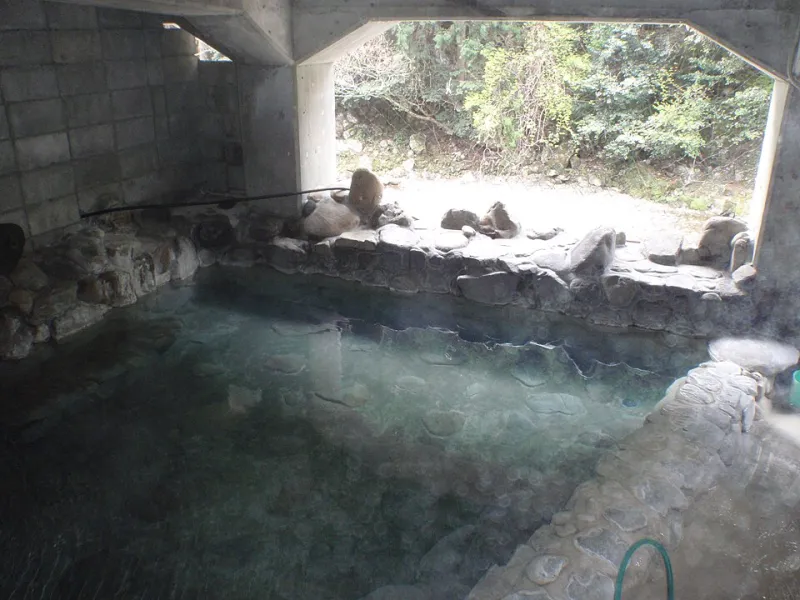
Photo: Soica2001 (talk), Public domain, via Wikimedia Commons
Let's be honest about the first reaction a lot of American women have when ganbanyoku comes up in conversation: that sounds amazing followed almost immediately by but I'm traveling alone, so probably not. The communal aspect of Japanese spa culture — the shared spaces, the unfamiliar rituals, the sense that everyone else already knows what they're doing — can make the whole thing feel like something best saved for a trip with a friend who's already been.
This guide exists to push back on that instinct, gently but firmly.
Because here's what the solo female travelers who've actually done it will tell you: ganbanyoku is, in many ways, better alone. And the specific anxieties that feel biggest before you go tend to evaporate within about ten minutes of being inside.
What's Actually Making You Nervous (And What's Worth Taking Seriously)
First, let's separate the real concerns from the cultural static.
The real concerns: navigating a new environment where signage may be in Japanese, understanding what to wear and where to go, and knowing whether you'll feel safe and comfortable in a shared space as a foreign woman traveling without companions.
The cultural static: the vague sense that communal bathing spaces are inherently awkward, that everyone will stare, or that you'll do something embarrassing that ruins the experience.
Starting with the real concerns, because they deserve actual answers.
Language and navigation: Most ganbanyoku facilities in tourist-accessible areas of Japan — Tokyo, Osaka, Kyoto, Hakone, and similar destinations — have at minimum some English signage, and many have English-language websites or booking platforms. Apps like Google Translate's camera function can handle the rest. The staff at most facilities are accustomed to foreign visitors and will generally do their best to guide you through the process through a combination of gestures, simple English phrases, and genuine patience. You will figure it out.
What to wear: This is one of the most common questions solo travelers have, and the answer is more comfortable than you might expect. Unlike traditional onsen (hot spring bathing), ganbanyoku does not require nudity. Guests typically wear lightweight cotton shorts and a T-shirt, often provided by the facility as part of the entry fee. You lie on the heated stone surface on top of a provided towel. There is no undressing in front of strangers involved. This is a significant distinction that often surprises first-timers.
Safety: Japan consistently ranks among the safest countries in the world for solo female travelers, and ganbanyoku facilities reflect this broader reality. The spaces are public, well-lit, and staffed. Women's-only rooms or hours are available at many facilities, and even in mixed-gender spaces, the atmosphere is almost universally calm and self-contained — everyone is focused on their own experience, not on who else is in the room.
The Etiquette That Actually Matters
Ganbanyoku has its own cultural rhythms, and respecting them will make your experience significantly better — both for you and for the people around you.
Silence is the default. Ganbanyoku rooms are quiet spaces. Conversations, if they happen at all, are conducted in low voices. Phones are typically not permitted in the stone rooms (though they may be allowed in rest areas). This isn't a rule that requires enforcement — the atmosphere itself tends to enforce it. Americans accustomed to filling silence with conversation sometimes find this jarring at first, then deeply restful.
Move slowly and deliberately. There's no rushing in a ganbanyoku space. Take your time getting situated on the stone, resting between sessions, and moving to and from the rest areas. The unhurried pace is part of the experience, not an inconvenience.
Hydrate visibly. Bringing a water bottle or using the water provided is expected and encouraged. Dehydration is a real concern with prolonged heat exposure, and the staff will not think twice about seeing you sip water regularly.
Tattoos: Japan's policies around tattoos in onsen and spa facilities are evolving, but many traditional establishments still maintain restrictions. Ganbanyoku facilities vary — some are fully tattoo-friendly, others are not. If this is relevant to you, check the facility's policy before booking. Many facilities that cater to international visitors have relaxed these rules in recent years.
The Vulnerability Paradox
Here's the thing that's harder to explain before you experience it, but that solo female travelers consistently bring up when they talk about ganbanyoku: the experience of being quietly vulnerable in a shared space — new to the culture, uncertain of the rules, physically exposed to heat in a way that strips away the usual social armor — somehow produces the opposite of vulnerability.
Jessica, a 29-year-old teacher from Portland who did a solo two-week trip through Japan last spring, described her first ganbanyoku session as "the moment the trip clicked."
"I'd been kind of performing being a solo traveler up to that point," she said. "Like, acting confident even when I wasn't sure what I was doing. In the ganbanyoku room, I couldn't perform anything. I just had to lie there and be a person. And there were all these other women doing the same thing — Japanese women, a couple of other tourists — and nobody was looking at each other, but there was this weird sense of... solidarity? Like we were all just humans being warm together. I cried a little, honestly. It was fine."
This is not an unusual response. The enforced stillness, the warmth, the absence of social performance cues — it creates a space where the usual anxiety of being alone in an unfamiliar place gets replaced by something closer to peace.
Choosing the Right Facility as a Solo Traveler
Not all ganbanyoku facilities are created equal for the solo first-timer. A few things worth prioritizing when you're choosing:
- Women's-only hours or dedicated women's areas: Many larger facilities offer these, and they can feel like a lower-stakes entry point if you're nervous about the mixed-gender dynamic.
- Proximity to your accommodation: Your post-ganbanyoku state is deeply relaxed. You do not want to navigate a complicated train journey home. Book somewhere walkable or a very short ride away.
- Facilities with rest lounges: The rest period between stone sessions is part of the experience, and facilities with comfortable lounges — often with reclining chairs, reading materials, and herbal tea — make the solo experience significantly richer than those with minimal amenities.
- English-language booking options: The ability to confirm your reservation and understand the pricing structure in English before you arrive removes a significant source of pre-trip anxiety.
What You'll Carry Home
Solo travel has a way of giving you things you didn't know you were looking for. For a lot of American women, ganbanyoku ends up being one of those unexpected gifts — a space where being alone doesn't feel like a deficit, where the unfamiliarity of the culture becomes an invitation rather than a barrier, and where the simple act of lying still on warm stone in a quiet room full of strangers turns out to be one of the most connected you've felt all trip.
You don't need a travel companion for this. You just need to show up.