Why You're Wiped Out After Ganbanyoku (And Why That's Actually Great News)
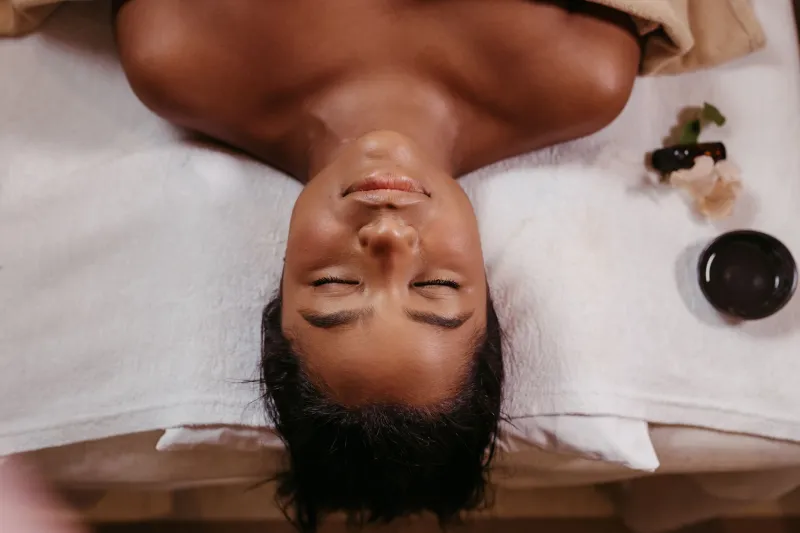
You booked the trip. You did the research. You found a beautiful ganbanyoku facility tucked into a quiet neighborhood in Kyoto or maybe a resort town near Beppu, and you finally lowered yourself onto that warm, mineral-rich stone slab with the kind of anticipation that only comes after months of planning. Forty-five minutes later, you shuffled out feeling loose and dreamy. Perfect.
Then the next morning hit you like a freight train.
Your legs feel heavy. Your head is foggy. You're weirdly achy in muscles you don't remember using. And you're tired—not the pleasant, melted-butter tired you expected, but genuinely, deeply exhausted. You start Googling things like "is ganbanyoku dangerous" at 7am from your futon, wondering if you did something wrong.
You didn't. In fact, you might have done everything exactly right.
The Paradox Nobody Warned You About
Here's the thing about ganbanyoku that most travel blogs gloss over: the therapy doesn't always feel amazing the day after your first session. For a meaningful percentage of first-timers—especially Americans who arrive carrying years of accumulated stress, poor sleep habits, and sedentary desk-job tension—the body's initial response to deep thermal therapy is something closer to a mild protest than a celebration.
Japanese wellness practitioners have a term for this general phenomenon: meigen hannou, sometimes loosely translated as a "healing crisis" or detox reaction. It's not unique to ganbanyoku—you'll find versions of this concept across traditional medicine systems worldwide, from Ayurveda to naturopathy. The idea is that when the body is pushed into a significant healing or cleansing process, things can feel worse before they feel better.
The question is: what's actually happening inside your body to cause that?
What's Going On Physiologically
Ganbanyoku works by heating the body from the outside in using far-infrared radiation emitted by warmed natural stones—often varieties like tourmaline, jade, or black silica. Unlike a conventional sauna, which heats the air around you, far-infrared energy penetrates several centimeters into body tissue, raising your core temperature gradually and triggering a deep, sustained sweat response.
That sweat isn't just water. Research on far-infrared-induced perspiration suggests it contains a higher concentration of fat-soluble compounds compared to the sweat produced during exercise or conventional heat exposure. We're talking trace heavy metals, lipid-soluble metabolic byproducts, and various compounds your lymphatic system has been quietly warehousing in fatty tissue—sometimes for years.
When those compounds mobilize and move through your system all at once, your liver and kidneys have to process a higher-than-usual load. Your lymphatic circulation, which may have been sluggish for a long time, suddenly gets a significant push. Your autonomic nervous system—the part of your nervous system that governs things like heart rate, digestion, and sleep—gets recalibrated in ways it may not have experienced recently.
All of that takes energy. Real, measurable metabolic energy. And for a body that isn't used to this kind of internal activity, the result is fatigue.
The Muscle Soreness Mystery
The achy muscles deserve their own explanation, because this one surprises people the most. You were lying still on a warm stone. Why do your legs feel like you ran a half-marathon?
Two things are likely happening. First, the deep heat causes vasodilation—your blood vessels expand significantly to help dissipate heat, which increases circulation to muscle tissue and can trigger a mild inflammatory response similar to what you'd experience after moderate exercise. Second, if you were holding any chronic tension in your muscles (and if you're an American adult in 2024, you almost certainly were), that heat-induced relaxation can cause those muscles to essentially "release" in ways that temporarily feel like soreness rather than relief.
Think of it like finally stretching a muscle that's been clenched for six months. The stretch itself might hurt a little. That doesn't mean you shouldn't stretch.
Why Americans Tend to Feel This More Acutely
This is worth being honest about: visitors from the US often report stronger post-session reactions than people who've been incorporating ganbanyoku into a regular wellness routine for years. There are a few reasons for this.
Chronically high stress levels mean higher baseline cortisol, which affects how the body responds to thermal therapy. Diets high in processed foods, alcohol, and environmental pollutants mean more accumulated material for the body to process once circulation and sweating kick into high gear. And jet lag itself creates a physiological burden that compounds everything else.
None of this means you shouldn't go. It means you should go prepared.
How to Make Your Recovery Smoother
The good news is that the post-session crash is almost entirely manageable with a little planning. Here's what actually helps:
Hydrate aggressively before and after. This one sounds obvious but most people underdo it. You're not just replacing lost sweat volume—you're helping your kidneys flush out the metabolic compounds that just got mobilized. Electrolyte drinks work better than plain water here. Many Japanese ganbanyoku facilities sell mineral water or sports drinks on-site for exactly this reason.
Don't schedule anything demanding for the rest of the day. Your first session should end with a slow walk, a light meal, and an early bedtime—not a three-hour temple tour. Give your body the downtime it's clearly asking for.
Eat light and clean afterward. Heavy, greasy food forces your digestive system to compete for resources your body is trying to direct toward recovery. A bowl of miso soup and some steamed vegetables is your friend here.
Don't skip the second session. This is the most important tip of all. Most people who feel rough after their first ganbanyoku session and never go back are walking away from a process that was just getting started. The second and third sessions are almost universally easier, and the cumulative benefits—better sleep, reduced muscle tension, clearer skin, improved mood—tend to emerge after several visits, not just one.
The Signal Underneath the Symptom
There's a broader point worth sitting with here. American wellness culture tends to be oriented around feeling good immediately. We want the green juice to kick in now, the massage to fix everything today, the supplement to work by Thursday. Ganbanyoku operates on a different timeline—one that's more honest about the fact that real physiological change takes more than a single session.
Feeling tired after your first rock bath isn't a failure. It's your body communicating that something significant just happened. The fatigue is the process. The soreness is the release. The grogginess is your nervous system recalibrating.
Give it a couple of days. Drink your water. Book the second session.
You'll understand what all the fuss is about soon enough.