The Complete Seasonal Playbook: Matching Your Ganbanyoku Journey to Japan's Calendar
Planning a ganbanyoku trip to Japan without thinking about seasons is like booking a ski vacation without checking the snow report. Technically possible. Probably fine. But you'll spend the whole time wondering if you could have done it better.
Japan's four seasons aren't just aesthetically different—they create genuinely distinct ganbanyoku experiences depending on where you are, how the climate interacts with the stone bath environment, and what's happening outside the facility walls. The cherry blossoms matter. So does the humidity. So does the fact that certain regional facilities are barely visited in November while the same rooms are booked weeks out in March.
This is the guide we wish we'd had before our first trip. Use it, adjust it to your interests, and plan accordingly.
Spring (March–May): The Peak Season That Rewards Early Planners
Spring is Japan's most famous season, and for good reason. The combination of mild temperatures, cherry blossom season, and post-winter energy makes March through May the most popular travel window for visitors from the US.
For ganbanyoku, spring offers a near-perfect external environment. Outdoor temperatures in most of Honshu hover between 50–65°F, which means stepping out of a heated stone room into cool, fresh air produces that specific contrast effect—a tingling, fully-awake sensation that regular ganbanyoku visitors pursue deliberately. Many facilities in regions like Kinosaki Onsen (Hyogo Prefecture) and the Izu Peninsula (Shizuoka) take advantage of this by incorporating small outdoor rest areas where guests can cool down between sessions while looking at blossoming gardens.
Best regions in spring: Kinosaki Onsen for its classic onsen-town atmosphere and walkable yukata culture; Hakone for proximity to Mt. Fuji and easy access from Tokyo; Arima Onsen in Hyogo for its historic facilities and relative quiet compared to tourist-heavy alternatives.
Crowd reality check: March and April are busy. Golden Week (late April through early May) is extremely busy. If spring is your window, book accommodations and facility reservations at least six to eight weeks in advance. Traveling in early March or mid-May sidesteps the worst of it.
Summer (June–August): The Counterintuitive Season That Hardcore Visitors Swear By
Here's the question every first-timer asks: why would you lie on hot stones in a Japanese summer?
It's a fair question. Japan's summer—particularly July and August—is genuinely hot and humid across most of the country. Temperatures in Tokyo and Osaka regularly exceed 90°F with high humidity. The idea of adding ganbanyoku to that sounds, on paper, like a form of punishment.
In practice, it's something else entirely. The interior of a ganbanyoku room is climate-controlled regardless of outdoor conditions, and many facilities in summer lean into the contrast between the stone bath heat and aggressively air-conditioned rest areas. The sweating, which is already substantial in ganbanyoku, becomes almost meditative in summer—your body is already primed for heat regulation, and the stone bath's deep-tissue warmth layers on top of that baseline in a way that produces unusually intense detox effects.
More practically: summer is the low season for ganbanyoku. Crowds are thinner, prices at many ryokan (traditional inns with attached facilities) drop noticeably, and you'll have an easier time getting same-day access to popular facilities.
Best regions in summer: Head north. Tohoku (prefectures like Akita, Yamagata, and Iwate) offers dramatically cooler outdoor temperatures than central Honshu, making summer ganbanyoku genuinely comfortable. The Nyuto Onsen cluster in Akita is a standout—remote, atmospheric, and surrounded by beech forests that are at their lush green peak in July. Hokkaido is another excellent summer destination, with pleasant outdoor temperatures and facilities that feel like a world apart from the rest of Japan.
Hidden summer advantage: Many facilities run special summer programs incorporating post-session cold water immersion or outdoor cool-down areas. This hot-cold cycling—a technique with documented cardiovascular and recovery benefits—is easier to do well in summer, and some facilities explicitly design their summer programming around it.
Autumn (September–November): The Connoisseur's Season
Ask seasoned ganbanyoku travelers when they prefer to go, and a significant majority will say autumn without hesitation. The reasons stack up quickly.
September marks the end of typhoon season and the beginning of what many consider Japan's most beautiful period. Temperatures cool gradually through October and into November, the humidity drops, and the countryside erupts in autumn foliage (koyo) that makes any outdoor component of a ganbanyoku trip—the walks between facilities, the views from ryokan windows, the evening strolls in yukata—genuinely spectacular.
The thermal contrast that spring offers returns in autumn, but with a different character. Spring contrast is fresh and awakening. Autumn contrast is warm and grounding—the stone bath heat feels more necessary, more earned, as outdoor temperatures drop toward 50°F and below.
Best regions in autumn: The Tohoku region earns its reputation again here, with some of Japan's most dramatic autumn foliage surrounding historic onsen towns. Nyuto Onsen in Akita peaks in mid-October. The Nikko area in Tochigi Prefecture combines extraordinary foliage with accessible facilities and is an easy side trip from Tokyo. For something more remote, the Okuhida Onsen-go area in Gifu Prefecture offers a cluster of small facilities surrounded by the Northern Japan Alps at their most colorful.
Crowd note: Mid-October through early November sees increased domestic Japanese tourism for koyo viewing. Book early, but know that the crowds here are different from spring—more relaxed, more local, and generally very respectful of ganbanyoku etiquette.
Winter (December–February): The Season That Turns the Experience Into Something Cinematic
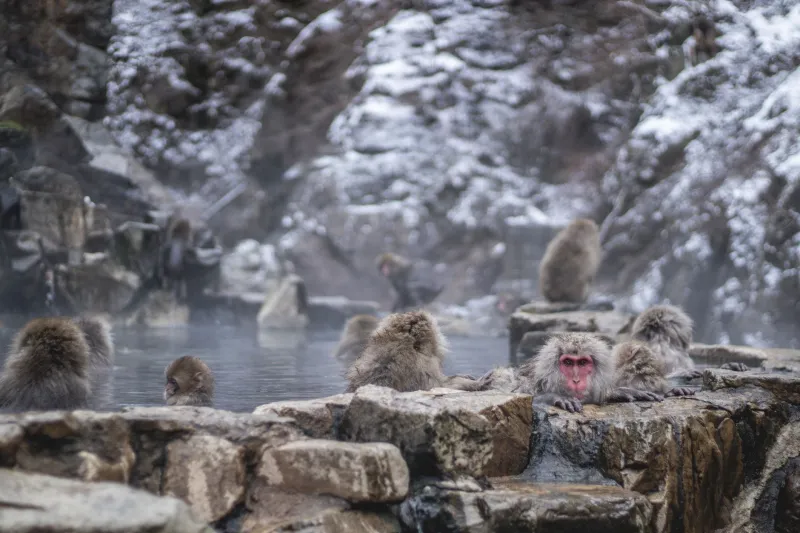
Winter ganbanyoku is its own category. Not better or worse than other seasons—just categorically different, and for certain travelers, deeply unforgettable.
The combination of snow outside and heated stone beneath you is one of those sensory experiences that's nearly impossible to adequately describe. Snow-country onsen regions—particularly in Niigata, Nagano, and parts of Tohoku—receive heavy snowfall from December through February, and many facilities are designed with this in mind. Windows that frame snow-covered gardens. Rest areas where you can watch snowfall between sessions. The particular quiet that only a heavy snowstorm produces.
Physiologically, winter is when ganbanyoku's warming effects feel most immediate and most necessary. The body is working harder to maintain core temperature in cold outdoor conditions, and the transition into a heated stone room produces an almost instant sense of relief that summer visitors simply don't experience.
Best regions in winter: Zao Onsen in Yamagata Prefecture is a standout—it's also a ski resort, making it ideal for travelers who want to combine winter sports with stone bath recovery. The Nozawa Onsen area in Nagano is beloved for its combination of skiing, traditional village atmosphere, and excellent facilities. For something more urban and accessible, Kusatsu Onsen in Gunma Prefecture is Japan's most famous hot spring resort and operates excellent ganbanyoku facilities year-round.
Practical winter note: Some smaller, more remote facilities close or reduce hours during heavy snow periods. Always confirm operating schedules directly with facilities before traveling in January and February, especially in Tohoku and Hokkaido.
The Bottom Line on Timing
There is no bad season for ganbanyoku. There are only different seasons, each offering something the others can't replicate. The real question is what you want from the experience beyond the stone bath itself—and letting that answer guide your calendar.
Want foliage and quiet? Go in October. Want cherry blossoms and the classic Japan experience? Plan for early spring and book well ahead. Want snow and solitude and the most cinematic version of this experience possible? January in Yamagata will ruin you for ordinary vacations.
Whatever you choose, the stones will be warm. The rest is just scenery.