One Prefecture, Infinite Depth: Why Serious Wellness Travelers Are Planting Their Flag and Staying Put
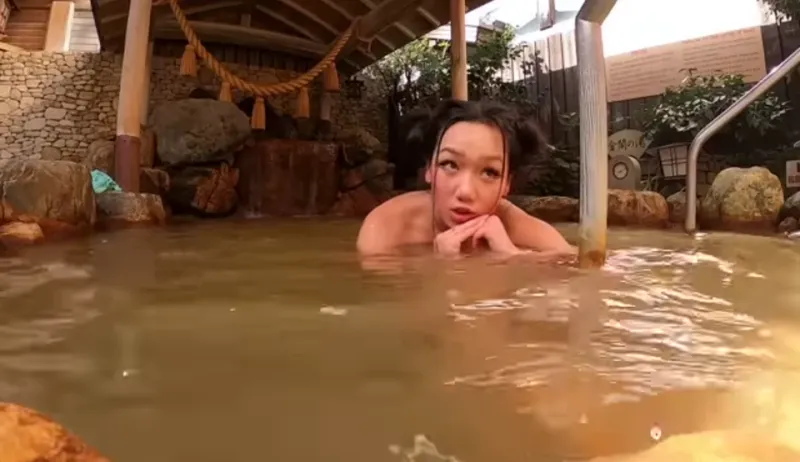
Photo: Onsen1913, CC BY-SA 4.0, via Wikimedia Commons
There's a particular kind of exhaustion that hits around day eight of a classic Japan itinerary. You've done Kyoto, you've done Tokyo, you've squeezed in a bullet train to Hiroshima, and somewhere between the third temple garden and the fourth conveyor belt sushi restaurant, your nervous system quietly files for bankruptcy. You're technically having a great time. But nothing is actually landing.
A small but growing group of American travelers has figured out the antidote — and it has nothing to do with packing lighter or booking fewer flights. It has everything to do with staying in one place long enough to actually understand it.
Specifically: one prefecture. One ganbanyoku culture. And as many sessions on hot volcanic stone as the body can reasonably handle.
The Bucket List Problem Nobody Talks About
American travel culture has a throughput obsession. We optimize itineraries like project managers. We screenshot Instagram locations months in advance. We treat 'ticking off' a destination the same way we treat finishing a Netflix series — completion is the goal, not the experience.
Japan, perhaps more than any other country, suffers from this approach. The country is so dense with extraordinary things to see and do that visitors routinely attempt to compress a lifetime of discovery into ten days. The result? A beautifully photographed blur.
Ganbanyoku — the practice of lying on heated mineral stone beds and letting the earth do the work — doesn't fit neatly into that model. It's slow. It's repetitive. And paradoxically, that's exactly why it's become the anchor for a different kind of Japan trip entirely.
What 'Going Deep' Actually Looks Like
Take Oita Prefecture in Kyushu. It's home to more hot springs than anywhere else in Japan, and its ganbanyoku scene is woven into the rhythm of daily life in a way that tourists who pass through for a night simply never witness. Regulars here — locals who've been coming to the same stone bath facility for decades — have developed relationships with the staff, opinions about which stone composition works best for muscle recovery, and quiet rituals that have nothing to do with wellness trends.
Americans who spend two or three weeks in Oita instead of two or three days start to get invited into that world. Not because they asked for it, but because showing up repeatedly signals something. It says: I'm not just passing through.
Sarah, a physical therapist from Portland who has made four separate trips to Oita over six years, describes it this way: "The first visit, I was just a tourist who liked the heat. By the third visit, the woman at the front desk knew my name and had started telling me which sessions were less crowded. By the fourth, I was being introduced to her regular group. That doesn't happen when you're trying to hit seven prefectures in twelve days."
The Science of Staying
There's a psychological concept called the 'mere exposure effect' — the idea that familiarity breeds genuine appreciation rather than contempt. It applies to places as much as it applies to people. The first ganbanyoku session is novel and a little disorienting. The third is when you start noticing the subtle differences between stone types. The seventh is when the silence stops feeling like something to endure and starts feeling like something to seek.
Repeat visitors to Japan's ganbanyoku regions consistently report that their understanding of the practice deepens in ways that a single session simply cannot provide. The mineral composition of the stones — tourmaline in one facility, black silica in another, far-infrared-rich jade in a third — creates genuinely different physiological responses. Learning to read those differences takes time and repetition.
It also takes proximity to people who know. And that knowledge lives in specific places, passed between regulars in specific facilities, in conversations that happen in Japanese at the end of a long sweating session when everyone's guard is down.
Picking Your Prefecture: A Framework for the Focused Traveler
Not every region rewards the deep-dive approach equally. A few things to consider when choosing your anchor point:
Stone variety within driving distance. The best single-prefecture experiences offer enough internal diversity to keep multiple visits interesting. Oita, for instance, has dramatically different ganbanyoku facilities across Beppu, Yufuin, and the surrounding mountain towns — each with distinct stone types, atmospheres, and clientele.
Local infrastructure for longer stays. Weekly apartment rentals, neighborhood grocery stores, and transit options that don't require a car matter a lot when you're staying for two weeks instead of two nights. Cities with active ganbanyoku cultures tend to have these in abundance because locals use them too.
Seasonal programming. Some facilities rotate their stone configurations or offer special sessions tied to local festivals and agricultural calendars. Knowing the rhythm of a specific place means you can time your visit to catch something that one-night tourists will never see advertised.
Community access. Ask, before you book, whether the facility has any regular group sessions, community bathing hours, or membership structures that welcome visitors. These are the entry points into the local social fabric that transform a wellness vacation into something closer to a cultural education.
What You Give Up (And Why It's Worth It)
Let's be honest: the focused approach requires real sacrifice. You will not see Mount Fuji on this trip. You will not eat ramen in Sapporo or browse vintage shops in Shimokitazawa. Friends will ask where you went and the answer — 'mostly Oita, actually' — will not generate the same reaction as a highlight reel spanning five cities.
But here's what the highlight-reel travelers don't tell you: they're also not telling you about the afternoon they spent genuinely lost in a neighborhood, or the conversation with a facility regular that reframed something they'd been thinking about for months, or the specific quality of light through the wooden slats of a ganbanyoku room they'd visited six times and finally felt like they understood.
Those things don't photograph well. They don't compress into a caption. But they are, almost universally, what people remember ten years later.
The Unexpected ROI of Repetition
There's a practical argument here too, for the analytically minded. Repeat visits to a single region compound in value. Your second trip costs less because you know where to eat cheaply and well. Your third trip is more relaxing because you're not navigating anything new. Your fourth trip is when the locals start treating you less like a visitor and more like a familiar presence — and that changes everything about what you have access to.
Some Americans have parlayed this into something approaching expertise. There are now US-based travel writers and wellness coaches who specialize in specific Japanese ganbanyoku regions with enough depth that they're being consulted by facilities on how to communicate their offerings to international visitors. That kind of credibility doesn't come from checking a box. It comes from showing up, again and again, and paying attention.
The Simplest Argument
Japan will always be there. The bullet trains will still run. The temples will still stand. Kyoto isn't going anywhere.
But the version of a Japanese prefecture that reveals itself slowly, to someone patient enough to stay — that version is only available to people who choose depth over breadth. And right now, a quietly growing number of American travelers are making exactly that choice, one hot stone session at a time.