The Quiet Boom: How American Wellness Tourists Are Breathing New Life Into Japan's Forgotten Hot Spring Towns
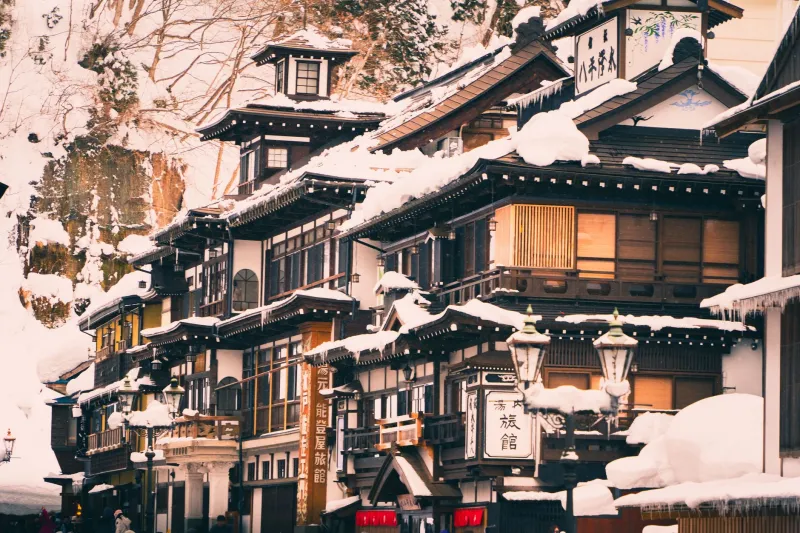
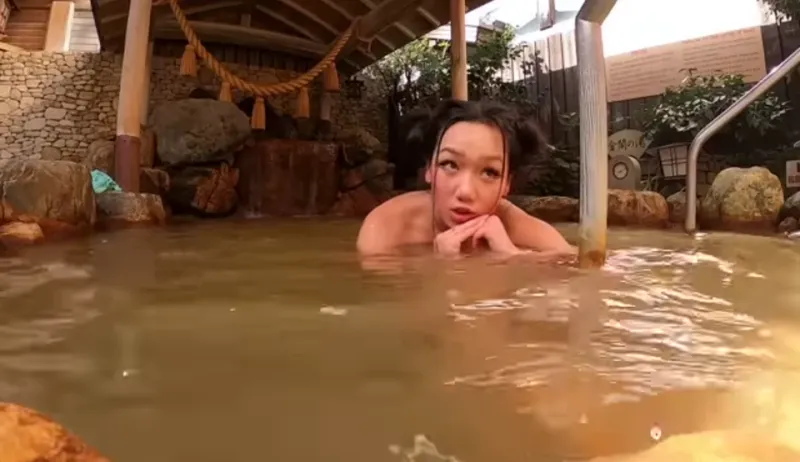
Drive forty minutes from any major Japanese city in the right direction and you'll eventually hit a town that time seems to have half-forgotten. A covered shopping street with a few shuttered storefronts. A ryokan that's been in the same family for four generations. A ganbanyoku facility tucked beside a river, its hand-painted sign faded but the stones inside still radiating steady warmth.
These are not the towns that show up on "Top 10 Japan" listicles. They are not Instagram-optimized. And increasingly, they are exactly where American wellness travelers are choosing to spend their yen.
Where the Money Is Actually Going
Japan's tourism numbers tell one story — record-breaking arrivals, overcrowded golden-route corridors, temples posting crowd-control measures. But dig into the spending data and a quieter counter-narrative emerges.
According to Japan Tourism Agency figures, wellness-oriented travelers — a category that includes visitors specifically seeking onsen, ganbanyoku, and thermal therapy experiences — consistently outspend general leisure tourists on a per-day basis. They stay longer. They eat locally. And critically, they tend to seek out destinations that aren't already on everyone's radar.
Small towns with established ganbanyoku facilities — places in Akita, Yamagata, Gunma, and the Kinki region that might see a handful of international visitors in an average year — have started noticing American guests in their reservation books. Not in overwhelming numbers. But consistently enough to matter.
For a ryokan operating on thin margins in a town with a shrinking local population, three American guests who stay three nights and book treatments every day can represent a meaningful percentage of monthly revenue.
Local Business Owners Are Noticing
In one small Tohoku town — the kind of place where the local onsen doubles as a community gathering spot for retired farmers — the owner of a family-run ganbanyoku facility described the shift with measured surprise.
"Two years ago, maybe one foreign guest per month," she explained through an interpreter. "Now, some weeks, three or four Americans. They stay longer than other tourists. They come back the next day."
The spillover effect is real. A ceramics workshop nearby started stocking English-language instruction cards after ganbanyoku guests wandered in between sessions. A soba restaurant two streets over began keeping a simple English menu after the owner noticed the same faces appearing repeatedly. A local taxi driver started learning basic English phrases to accommodate guests who needed rides from the nearest train station.
None of this required a tourism board campaign or a government infrastructure grant. It happened organically, driven by the particular spending habits of a traveler who came for the stones and stayed for everything around them.
Why Ganbanyoku Towns Attract a Different Kind of American Visitor
The typical ganbanyoku pilgrim isn't the traveler who's checking Japan off a bucket list. They tend to be return visitors — people on their second or third trip who've already done the Fushimi Inari sunrise and the Shibuya crossing photo. They're looking for something that doesn't photograph well but feels extraordinary.
That orientation produces a traveler who engages differently with a destination. They eat where locals eat because they're not hunting for the most-reviewed spot. They walk neighborhoods without a destination because wandering is consistent with the ganbanyoku mindset they've been cultivating all week. They ask questions that go beyond "what should I see" and into "what does this place actually feel like to live in."
For towns that have watched younger residents leave for city jobs and tourist dollars flow past on their way to more famous destinations, this kind of engaged, curious visitor represents something genuinely welcome.
The Infrastructure Gap — and How Some Prefectures Are Responding
The challenge, of course, is that most of these towns were never built for international visitors. English signage is sparse. Transportation links from major hubs can be complicated. Some of the best ganbanyoku facilities have websites that haven't been updated since the mid-2000s and no reservation system that accommodates overseas bookings.
A handful of prefectures have started paying attention. Regional tourism bodies in areas like Oita — home to Beppu, Japan's most famous onsen city, but also dozens of smaller surrounding towns — have begun investing in multilingual resources specifically aimed at wellness travelers. Gunma Prefecture, which sits atop some of Japan's most mineral-rich geological formations, has been quietly developing English-language trail maps that connect onsen and ganbanyoku facilities across the region.
The approach is careful and deliberate, which feels appropriate. Nobody in these communities is trying to build the next Kyoto. The goal is to make the experience accessible without erasing the qualities that made it worth seeking out in the first place.
The Sustainability Question Nobody Wants to Ignore
For all its genuine benefits, the American wellness tourism wave comes with questions worth sitting with honestly.
The thermal resources that power ganbanyoku facilities are finite and geologically sensitive. Some onsen regions in Japan have already experienced pressure from overuse — water temperatures dropping, mineral content shifting. The stones used in premium ganbanyoku rooms, particularly rare varieties like bian stone sourced from specific geological deposits, are not infinitely available.
There's also the subtler question of cultural integrity. Ganbanyoku emerged from Japanese bathing culture — from a specific relationship between community, body, and the earth that doesn't translate neatly into a wellness tourism product. The best facilities understand this and resist the pressure to package the experience for maximum commercial throughput. The worst ones don't.
For American travelers, the most meaningful contribution to these communities isn't just showing up — it's showing up with the kind of attention and respect that the practice itself teaches. Staying longer. Spending locally. Returning. Asking questions. Treating the town like a destination rather than a backdrop.
The ganbanyoku room, after all, teaches you to be present in a space without consuming it. That's a lesson worth carrying out the door and into the streets of the town beyond.