Collecting Heat: How American Travelers Are Building Bucket Lists Around Japan's Most Unique Rock Bath Destinations
Somewhere between her third trip to Japan and her fifth ganbanyoku facility, Megan Cho from Portland started keeping a spreadsheet. Not the kind obsessive travelers use to track flight points or hotel rewards—this one had columns for stone type, room temperature, humidity level, ambient sound design, and something she called "floor energy," which she admits sounds a little out there but swears is a real and measurable thing.
"I didn't plan to turn it into a hobby," she says. "But after my second facility, I realized they were wildly different from each other, and I wanted a way to remember what made each one special."
Megan isn't alone. Across wellness travel forums, Reddit threads, and Instagram comment sections, a quiet but enthusiastic community of American ganbanyoku enthusiasts has been doing exactly what serious foodies, whiskey collectors, and craft beer tourists do: turning a pleasurable experience into a deliberate, category-driven pursuit.
What Makes Each Rock Bath Different?
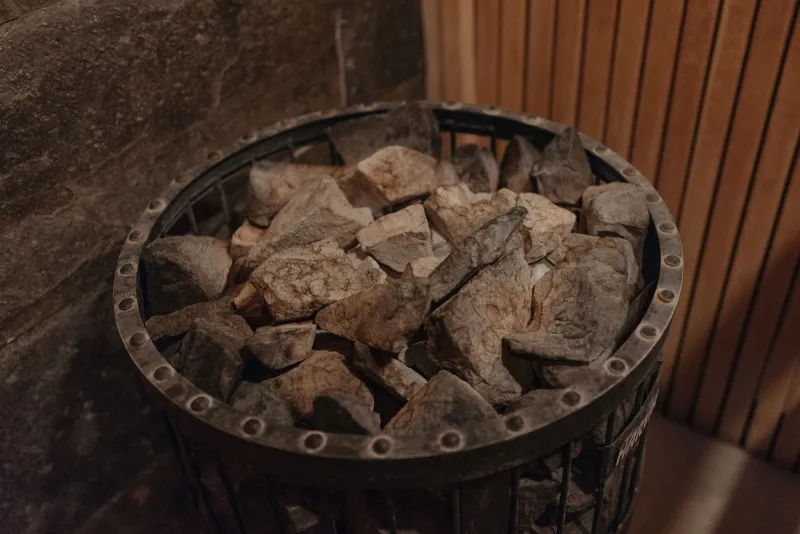
Here's the thing most first-timers don't realize before they book: not all ganbanyoku facilities are created equal, and the differences go way beyond decor or cleanliness. The type of stone used in the heated floor is arguably the most significant variable, and Japan's regional geology means the options are genuinely diverse.
Tourmaliite, a mineral-rich stone found commonly in facilities across Hokkaido and parts of Tohoku, is prized for its far-infrared radiation output and is associated with a deeper, more penetrating warmth that regular visitors say feels different from the surface heat of a sauna. Facilities in Kyushu often feature beppu-adjacent volcanic stones with naturally higher mineral content, while some boutique establishments in Nagano have begun sourcing rare jade and amethyst composites that command premium pricing and a dedicated following.
Temperature profiles vary too—some rooms run a dry 40°C with low humidity designed to encourage gradual sweating, while others push into humid 45°C territory that hits you the moment you walk through the curtain. A handful of high-end facilities in the Kansai region have introduced multi-room circuits, where guests move between different stone types and temperatures the way a wine tasting moves through varietals.
"Once I understood that the stone literally changes the experience," says Derek Watanabe, a wellness travel writer based in San Francisco who has visited over twenty facilities across eight prefectures, "I couldn't just pick a place randomly anymore. I needed to know what I was walking into."
The Heat Map Approach to Travel Planning
Derek's approach has evolved into what he calls a "heat map"—a personal reference document that plots facilities by region, stone type, and what he describes as the facility's overall "intention." Some places, he explains, are clearly designed for quick urban decompression. Others feel like they were built with a specific therapeutic philosophy in mind, and that difference shows up in everything from the lighting to the towel quality to whether the staff speaks in full sentences or just nods.
This kind of deliberate, criteria-driven travel planning is reshaping how some Americans build their Japan itineraries. Instead of organizing a trip around cities and landmarks with a ganbanyoku session tossed in, they're organizing around the rock bath facilities themselves—and letting the surrounding region fill in the rest.
A growing number of travelers are using Japanese wellness review platforms like Nifty Onsen and Jalan, often cross-referenced with Google Maps reviews filtered by Western visitors, to pre-screen facilities before booking flights. Some are even reaching out directly to facilities via email—with the help of translation tools—to ask specific questions about stone sourcing and room configurations.
Regional Highlights Worth Chasing
For travelers ready to start building their own list, a few regional destinations stand out as genuinely unmissable.
Beppu, Oita Prefecture is the obvious starting point for anyone serious about thermal culture. The city has more hot spring sources than almost anywhere else on earth, and several of its ganbanyoku facilities sit directly above active geothermal vents—meaning the heat source is the actual earth beneath you, not a heating element. The experience of lying on stone that's warm because of what's happening miles underground is, as more than one traveler has put it, "hard to explain and impossible to forget."
Aomori Prefecture, less visited by international tourists, has a handful of facilities near the Hakkoda mountains that use locally quarried Tsugaru stone and operate with a stripped-down, no-frills philosophy that longtime enthusiasts find refreshing. No ambient music, minimal lighting, and staff who are visibly proud of the regional sourcing. It's the craft brewery equivalent of ganbanyoku.
Hakone, while more accessible and well-known, earns its place on serious lists for the quality of its high-end ryokan-attached ganbanyoku rooms, where the experience is integrated into a full overnight wellness stay rather than a standalone session.
Building Your Own Ranking System
The fun part, according to everyone who's gone down this path, is developing your own criteria. Megan's spreadsheet has evolved to include a "reentry score"—essentially, how badly she wanted to go back to that specific facility before she'd even finished drying off. Derek weights stone authenticity heavily, penalizing facilities that use manufactured composite panels over natural stone.
Other travelers in the community track things like staff-to-guest ratio, the quality of the post-session resting area, whether the facility serves quality mineral water or just tap, and how far in advance you need to book (which, in some cases, is itself a quality signal).
None of this has to be complicated. A simple notes app entry after each visit—stone type, temperature, how you felt two hours later—is enough to start building a personal reference that makes the next booking decision way more intentional.
The Bigger Picture
What's happening here is actually pretty interesting from a travel culture standpoint. Americans have spent decades treating Japan as a highlights reel—Tokyo, Kyoto, maybe Osaka, hit the temples, buy the Kit-Kats, go home. The emergence of ganbanyoku as a collecting hobby is pulling a specific kind of traveler off that circuit entirely and into a much more granular, regionally specific version of the country.
That's good for lesser-visited prefectures. It's good for smaller facilities that can't compete with resort-scale amenities but offer something genuinely rare in stone and setting. And honestly, it's good for the travelers themselves—because a trip organized around genuine curiosity tends to produce memories that last a lot longer than a checklist.
Start your spreadsheet. Your first entry is waiting somewhere in Oita.