Honest Talk: What Nobody Tells American Travelers Before Their First Ganbanyoku Experience
Let's start with something the wellness travel internet doesn't say nearly often enough: not everyone loves ganbanyoku on the first try. Or the second. Some people don't love it at all, and their reasons are legitimate.
This isn't a takedown of Japan's rock bath culture—岩盤浴ナビ exists because this stuff genuinely matters and genuinely works for a lot of people. But the travel writing around ganbanyoku has developed a uniformly rapturous tone that sets some visitors up for a confusing experience when reality doesn't match the copy. A more honest framing serves everyone better, including the people who end up becoming lifelong enthusiasts.
So here's what the glossy guides tend to leave out.
The Physical Reality Is Less Spa, More Endurance
The phrase "lying on heated stones" sounds like a luxury experience. In practice, for the first fifteen to twenty minutes of your first session, it often feels like something closer to a mild ordeal.
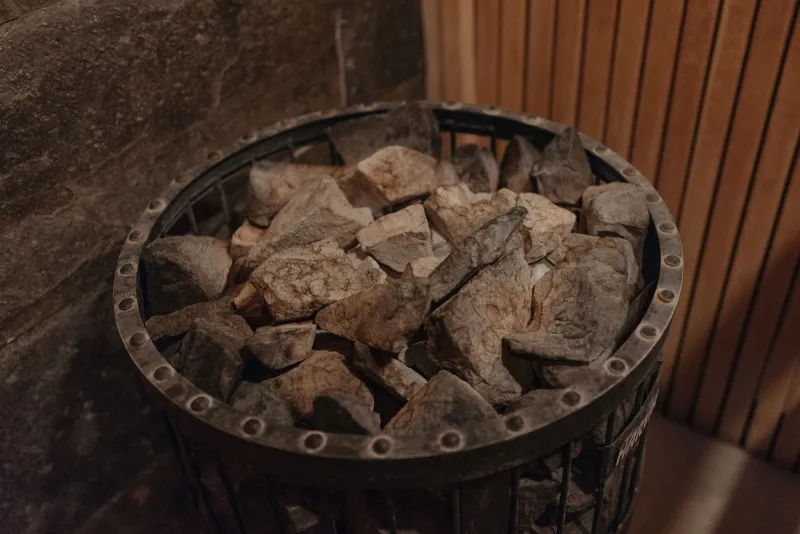
The floor is hard. It's covered with a thin mat and you're given a small towel, but you are, fundamentally, lying on a heated stone surface. If you're a side sleeper, you'll shift. If you have lower back sensitivity, you'll notice it. If you run hot naturally—and many Americans do, particularly those coming from sedentary work environments where the body isn't accustomed to sustained heat—the temperature will feel more aggressive than the marketing suggested.
None of this means you're doing it wrong. But the gap between "relaxing warmth" and "I'm genuinely sweating through my yukata and my shoulder blade is complaining" is real, and it catches people off guard. The experience gets more comfortable with repetition as the body adapts, but that first session can be a rude awakening if you walked in expecting something closer to a heated massage table.
The Language Barrier Is Real, and It Has Teeth
Japan's service culture is exceptional, and most ganbanyoku facilities are staffed by people who are genuinely helpful. But a meaningful number of facilities—particularly smaller, locally oriented ones outside major tourist corridors—operate entirely in Japanese, with no English signage, no English-speaking staff on site, and no English-language booking interface.
This matters more in ganbanyoku than in some other tourism contexts because the protocols are specific and unfamiliar. There's an order of operations: changing rooms, towel procedures, showering requirements before entry, quiet rules inside the room, session timing expectations. Getting it wrong doesn't just cause personal confusion—it can inadvertently disrupt other guests or result in a staff interaction that feels tense even if no one is actually angry.
Several American visitors have described arriving at facilities to find they couldn't complete the booking process at the front desk, or that they misunderstood the rental system for yukata and ended up in the wrong size or style. One traveler posted in a wellness forum about spending twenty minutes trying to communicate a medical condition (heat sensitivity) to staff who were sympathetic but couldn't fully understand, ultimately leaving without entering the room.
The practical fix here is preparation: use Google Translate's camera function for signage, pre-download facility-specific information in Japanese to show staff, and prioritize facilities that explicitly cater to international visitors for your first experience. But don't assume the language situation will just work itself out.
Some Facilities Are Genuinely Not Worth It
Ganbanyoku has grown popular enough that the market now includes facilities that are, to put it plainly, coasting on the format's reputation. Urban convenience facilities in shopping malls and fitness centers sometimes operate ganbanyoku rooms that use low-quality composite stone panels, run at inconsistent temperatures, and offer the aesthetic experience of a slightly warm locker room floor.
If your first ganbanyoku experience happens at one of these facilities—and it might, because they're accessible and cheap and easy to find—you may leave genuinely puzzled about what all the fuss is about. That reaction is valid. Not all rock baths are the same, and the variance in quality is significant enough that a bad first experience can unfairly color your perception of the whole category.
Researching facilities before you go isn't optional if you care about the outcome. Look for places that specify their stone sourcing, that have been operating for more than a few years, and that have reviews from visitors who are clearly regulars rather than tourists. The difference between a thoughtfully designed traditional facility and a mall-adjacent wellness add-on is enormous.
The "Nothing Happens" Problem
A subset of American visitors—particularly those who are highly active, accustomed to intense exercise, or who have strong preferences for measurable outcomes—find ganbanyoku actively frustrating rather than relaxing. Lying still in a warm room for forty-five minutes, with no music, no phone, no conversation, and nothing to accomplish, runs directly counter to the productivity orientation that defines a lot of American leisure culture.
This isn't a character flaw, and it doesn't mean ganbanyoku isn't for you. But it's worth being honest with yourself before you go. If you've never been able to meditate, if you find float tanks anxiety-inducing, if you tend to feel guilty about unstructured time—your first ganbanyoku session is probably going to be mentally uncomfortable in ways that have nothing to do with the temperature.
Many people who've pushed through that discomfort describe it as genuinely transformative. But some don't. Some people try it twice and conclude that the format genuinely doesn't match how their nervous system works, and that's a reasonable conclusion. Ganbanyoku is not a universal experience.
Managing Expectations Around the Afterglow
The wellness internet loves to describe ganbanyoku's post-session state in terms that border on the mystical. "Profound calm." "Hours of bliss." "Total mental reset." These descriptions aren't fabricated—many visitors do experience something in that range, particularly after multiple sessions.
But after a single first session, the more common experience is: moderate relaxation, mild fatigue, and the slightly wrung-out feeling of having sweated more than usual. Some people feel genuinely great. Some feel tired and a little headachy, especially if they didn't hydrate adequately before and during the session. The dramatic transformations tend to accumulate across multiple visits rather than arriving fully formed after one.
If you go in expecting a single session to rewire your nervous system and leave disappointed when it doesn't, that's an expectation problem rather than a ganbanyoku problem.
So Should You Go?
Yes—with clear eyes. Ganbanyoku at a quality facility, approached with realistic expectations, appropriate hydration, and a willingness to sit with discomfort for the first stretch, delivers something genuinely valuable that's hard to find anywhere else. The people who love it most are usually the people who went in prepared for what it actually is rather than what the marketing said it would be.
Do your facility research. Learn a few key Japanese phrases. Drink water before you go in. Give yourself at least two sessions before you make a judgment call. And maybe accept that the first twenty minutes might be weird and uncomfortable before something shifts.
The shift, when it comes, tends to be worth it. But nobody said you'd get there without a little friction.